
Bathroom Remodels
Cooling
Heating
Plumbing
Plumbing That Supports Your Remodel
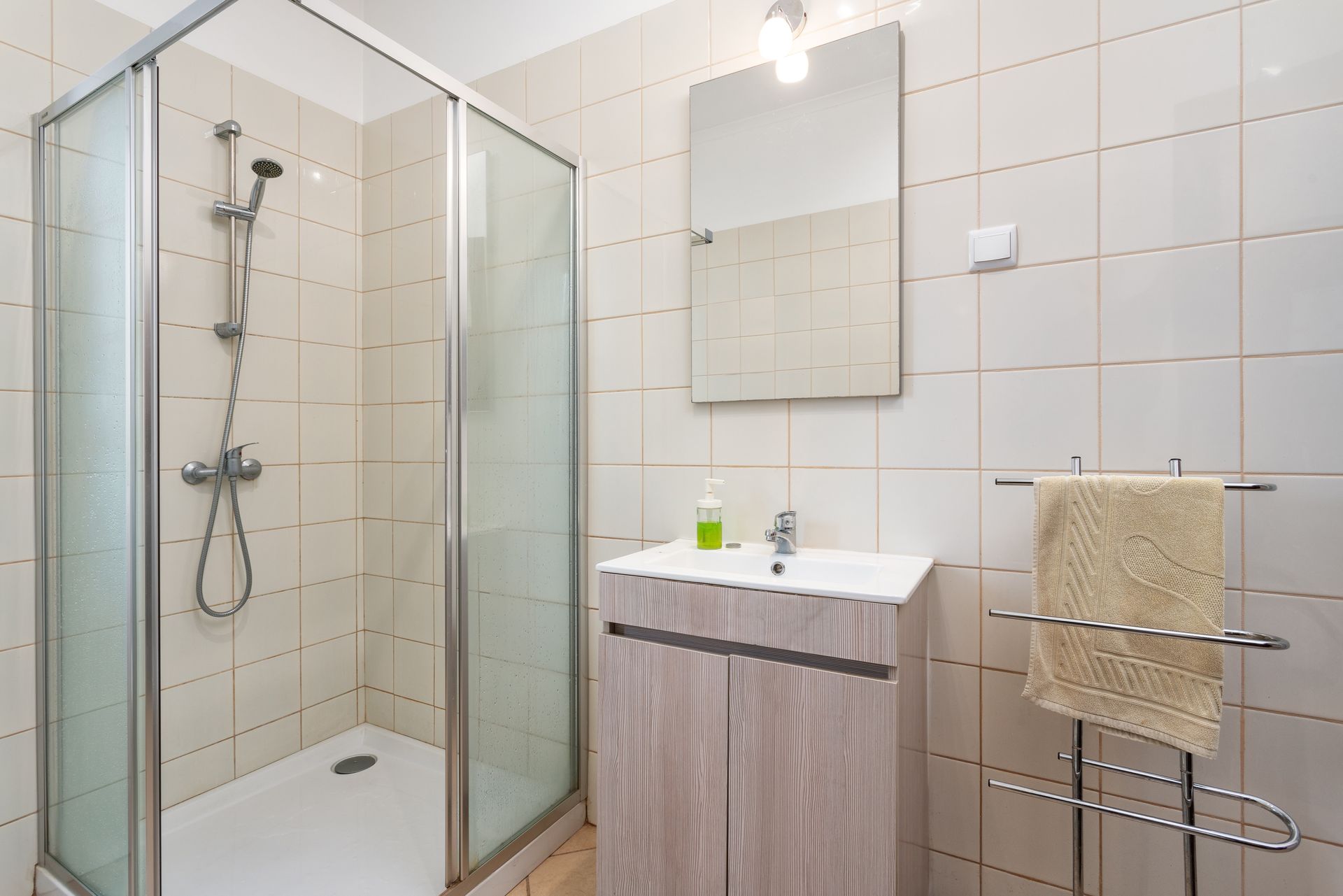
Bathroom remodels in Wilmington for homeowners updating fixtures, layouts, and water systems
My Cousin Vinnie handles the plumbing side of complete bathroom remodels in Wilmington, coordinating water supply lines, drain installations, and fixture connections so your new layout works as planned. If you're relocating a vanity, adding a second sink, or changing the shower footprint, the plumbing has to move with it—and every connection needs to seal properly to prevent leaks once walls are closed. Most bathroom renovations involve adjusting both hot and cold supply lines and rerouting drain lines to match new fixture positions.
The work includes installing new sink and vanity plumbing, toilet installation and replacement, shower and bathtub plumbing, faucet and fixture changeouts, water supply line installation, drain line installation and relocation, and water heater connections for upgraded bathrooms. When drain lines need to shift, the slope must remain consistent to prevent slow drainage or standing water, which means careful measurement and fitting during the rough-in phase.
Schedule a site evaluation to review your planned layout and identify plumbing adjustments needed before demolition begins.
Call My Cousin Vinnie
Schedule your service today!
How Plumbing Adjustments Support New Layouts
Bathroom remodel plumbing starts with mapping the existing water and drain lines, then planning new runs to match your updated fixture locations. Supply lines are typically run inside walls or under floors, and drain lines require specific pitch angles to maintain flow—usually a quarter inch per foot—so waste moves toward the main stack without pooling. If you're switching from a tub to a walk-in shower, the drain position changes and the supply lines may need to relocate to accommodate valve placement for your new fixtures.
Once the rough-in is complete and inspected, you'll see stub-outs in the correct positions for sinks, toilets, showers, and tubs, with shut-off valves installed where they're accessible for future maintenance. Water pressure stays consistent across multiple fixtures, drains clear quickly without gurgling, and hot water arrives at faucets without long delays because supply lines are sized correctly for the distance from the water heater. My Cousin Vinnie also handles leak detection and plumbing repairs if issues appear during demolition, so problems are addressed before new surfaces go in.
The service includes free estimates and covers both the rough plumbing phase and the final fixture installation, but does not include demolition, tile work, or electrical modifications. If your remodel involves moving a toilet more than a few feet from the existing drain stack, venting requirements may add steps to ensure proper drainage and prevent sewer gas from entering the bathroom.
Questions Before Your Bathroom Renovation
Homeowners planning bathroom remodels in Wilmington often ask about timing, fixture compatibility, and what plumbing changes require inspection.
What plumbing work happens before walls are closed?
Rough-in plumbing includes installing new water supply lines, drain lines, and vent pipes, followed by a pressure test to confirm there are no leaks before drywall or tile covers the work.
How do you handle fixture replacements when the layout stays the same?
If sinks, toilets, and showers remain in their current positions, the work focuses on disconnecting old fixtures, inspecting supply and drain connections for corrosion or damage, and installing new fixtures with updated shut-off valves and seals.
When does drain line relocation require venting adjustments?
Moving a toilet or adding a second sink often means extending or repositioning vent pipes to maintain proper air flow, which prevents slow draining and siphoning in other fixtures connected to the same stack.
What causes low water pressure after a remodel?
Undersized supply lines, partially closed shut-off valves, or sediment buildup in new fixtures can reduce pressure—most issues are resolved by checking valve positions and flushing aerators after installation.
Why does the toilet location matter for plumbing costs?
Toilets drain through a large-diameter pipe that connects directly to the main stack, so moving one more than a few feet requires cutting into the floor, rerouting the drain with the correct slope, and potentially adding a vent—all of which increase labor and material requirements compared to replacing a toilet in its existing location.
My Cousin Vinnie provides detailed estimates based on your specific fixture selections and layout plans, so you know what plumbing adjustments your bathroom remodel requires before work begins.